


When winter hits Wisconsin, we all feel it – especially near our windows. Cold drafts, chilly rooms, and rising heating bills are common complaints this time of year. What many homeowners don’t realize is that windows are one of the biggest sources of heat loss in a home.
The good news? The right window treatments can make a noticeable difference.
Why Windows Feel So Cold in Winter
Even high-quality windows can allow cold air to seep in during winter months. Glass naturally transfers heat, and when outdoor temperatures drop, the inside surface of your window becomes cold – pulling warmth from the room.
That’s why you may notice:
- Drafts near windows
- Cold spots in certain rooms
- Heating systems running more often
Insulating window treatments add an extra barrier between your living space and the cold outdoors.
What Are Insulating Shades?
Insulating shades are designed to trap air and slow heat transfer at the window. One of the most effective options is cellular (also called honeycomb) shades.
Their unique construction features pockets of air that act as insulation, helping keep warm air inside during winter and hot air out during summer.
Cellular Shades – Your Ultimate Insulator
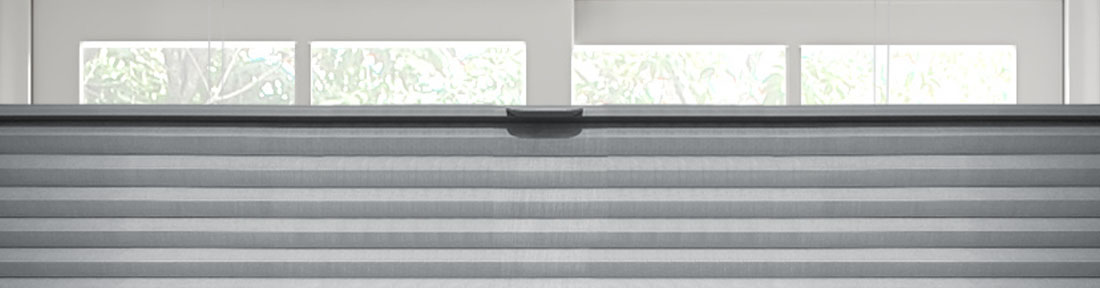
Cellular shades are widely considered the most energy-efficient window treatment available – and for good reason.
Their honeycomb-shaped design traps air within the cells, creating a natural insulating barrier between your window and your living space. That trapped air helps slow heat transfer, reducing drafts and keeping rooms warmer.
Why they’re great for winter:
-
Excellent insulation due to air pockets
-
Helps reduce cold drafts near windows
-
Can improve energy efficiency and comfort
-
Available in single-cell and double-cell options for added insulation
Cellular shades are a smart choice for bedrooms, living rooms, and any space that feels noticeably colder during winter months.
Learn more about cellular shades ->
Roman Shades – Soft Insulation with a Tailored Look
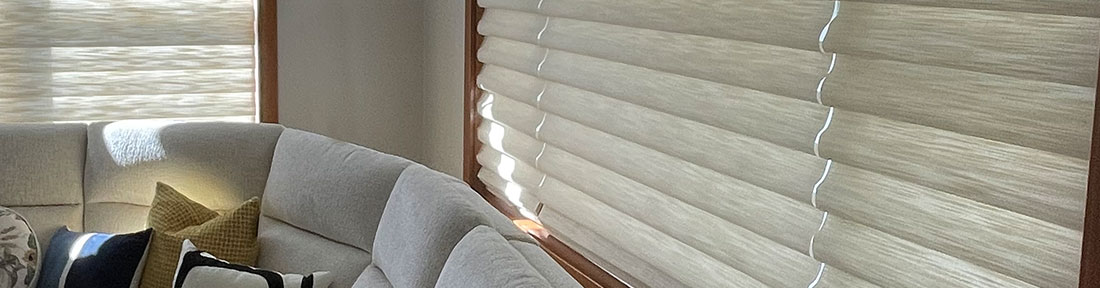
Roman shades offer a more decorative approach to insulation. While they don’t trap air like cellular shades, they still provide meaningful warmth by adding layers of fabric between your room and the window.
Heavier fabrics and interlining options improve their insulating performance, making them a great choice for homeowners who want both style and function.
Why they’re effective in cold weather:
- Fabric layers help block drafts
- Heavier materials provide added warmth
- Ideal for spaces where softness and texture matter
Roman shades are often chosen for dining rooms, bedrooms, and living spaces where design is just as important as comfort.
Learn more about roman shades ->
Hunter Douglas Sonnette® Shades

The best of both worlds: softness + insulation.
Sonnette shades combine the beauty of a soft fabric shade with the insulating performance of a cellular design. Their gently curved structure creates hidden air pockets that help reduce heat loss – while maintaining a smooth, contemporary appearance.
For homeowners who want strong insulation without the traditional honeycomb look, Sonnette shades are an excellent option.
Why homeowners love Sonnette shades in winter:
- Cellular-inspired construction for insulation
- Softer, more fabric-like appearance
- Helps reduce drafts and cold spots
- Works well in both traditional and modern homes
Sonnette shades are a popular upgrade for main living areas where comfort and aesthetics both matter.
Learn more about Sonnette shades ->
Lined Drapery

Lined drapery provides insulation by fully covering the window and creating a thick barrier against cold air. When properly lined – especially with thermal or blackout linings – drapery can significantly reduce drafts and heat loss.
They’re especially effective on large windows, patio doors, and older windows that tend to feel cold in winter.
Why lined drapery helps keep homes warmer:
- Multiple fabric layers block cold air
- Excellent for large or draft-prone windows
- Adds warmth, texture, and visual impact
- Can be paired with shades for added insulation
When closed at night, lined drapery can make a noticeable difference in how warm a room feels.
Learn more about custom drapery ->
Which Option Is Right for Your Home?
Every home is different, and the best insulating solution depends on your windows, your style preferences, and how you use each space. Many homeowners choose to layer treatments – such as cellular shades with drapery – for maximum comfort and flexibility.
A professional consultation ensures your window treatments are properly fitted, which is key to getting the full insulating benefit. Book your complimentary consultation today!